In this article
If you're over 50 and thinking about strength training, you're not late, you're right on time. Muscle naturally declines with age, and lifting is one of the most effective ways to slow that down, protect your joints and keep doing the things you enjoy.
Why strength training matters after 50
Regular resistance training helps you keep muscle, support bone density and improve balance. Most of our members notice everyday wins first: carrying groceries, climbing stairs and getting up off the floor all feel easier.
How to start safely
1. Get a baseline first
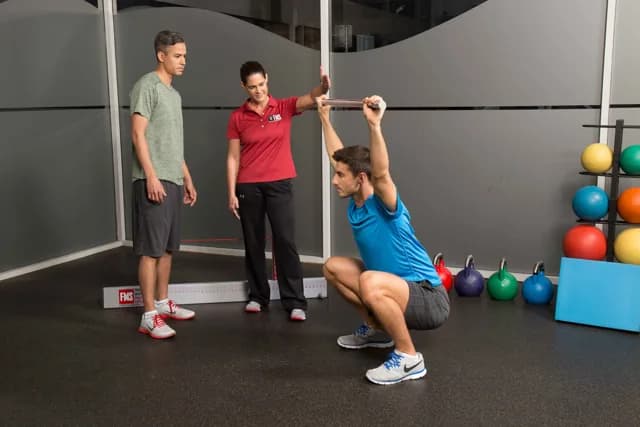
Before you pick up a weight, it helps to know where you're starting. We use an InBody scan and a movement screen during our complimentary fit evaluation so your program fits your body, not a template.
2. Master a few key movements
- Squat — sitting down and standing up, with control
- Hinge — picking things up off the floor without straining your back
- Push and pull — keeping shoulders strong and posture upright
- Carry — grip and core strength for real life
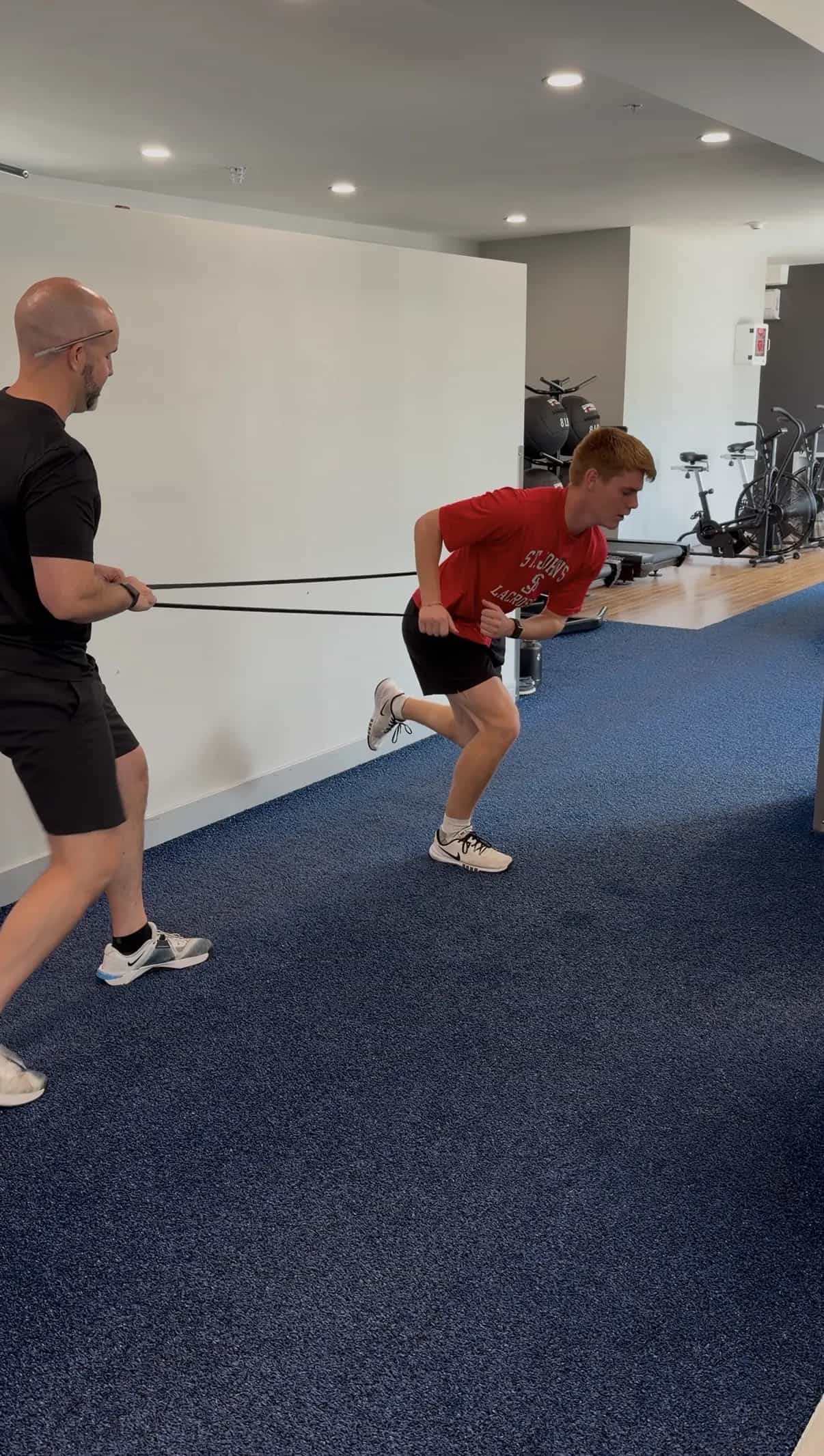
3. Train two to three times a week
Consistency beats intensity. A typical starting week looks like this:
- Monday — full-body strength (45 minutes)
- Wednesday — walk or mobility work
- Friday — full-body strength (45 minutes)
"The goal of the first month isn't to lift heavy. It's to build a habit and learn to move well."
What results to expect
Most people feel stronger within four to six weeks. Visible changes usually follow at eight to twelve weeks with steady training, enough protein and good sleep.
Train with a coach in Hopkinton
Working with a coach keeps you safe and progressing. Visit our Hopkinton studio, or train from home with virtual personal training.